
Joy asked: How do I remove mould from the rubber seal on a front loader washing machine door? This mould has built up over time in the fold in the rubber seal on the door. I now dry the water from the fold after each wash, but still have a build-up of black mould spots. The machine and laundry have an odor from the mould.
Any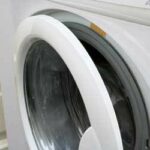 rubber seals that are exposed to constant moisture are at risk for developing mold. For obvious reasons, washing machines are a common victim. If not removed, the mold develops and odor and transfers onto clothing during the wash cycle. Removing this mold can take some work, but it can be done. Once the mold is removed, see our additional tips for ways to keep it from returning. Before using the bleach method below, check your owner’s manual to ensure the gaskets are bleach tolerable.
You Will Need:
- Bleach OR
- White vinegar
- Spray bottle
- Soft cloth
- Rubber gloves
Steps to Remove the Mold:
- Start by running a normal wash cycle with hot water and bleach. The amount of bleach will depend on the size of the washer. Use an appropriate amount for one load of laundry. If you are unable to use bleach, vinegar can be used in its place. Use one cup of vinegar for a large load size. DO NOT use both bleach and vinegar as the combination creates toxic fumes.
- To use a spray, mix one part bleach with four parts water in the spray bottle OR mix equal amounts of white vinegar and water in a spray bottle.
- Use the spray bottle to spray and wipe away any remaining mold areas from the rubber seal. Be sure to pull/push it gently to get in the grooves where moisture can grow and mold can develop. Wearing rubber gloves will protect your hands from the bleach.
- Wipe the areas clean with a soft cloth.
- If the mold is stubborn, allow the bleach/water mixture to sit on the area for a few minutes before wiping it away.
- Rinse by spraying with clean water and wiping with a clean cloth.
Additional Tips and Advice
- Complete the above cleaning method once a month.
- Overuse of bleach can cause premature wear on rubber seals. Keeping the seal dry will help prevent mold growth and prevent the need for constant cleanings.
- To keep the rubber seal dry, use one of the following methods:
- Remove wet clothes promptly
- Wipe it dry after use
- Leave the door open slightly to keep air flowing through
- If the washer is located in a humid area, set up a dehumidifier in the room
- Some detergents and fabric softeners are more prone to promote mold growth. If mold is a common problem, consider changing your detergent.
- There are commercial cleaners designed specifically for cleaning front loader washing machines. These are helpful in reducing soap residue that can feed mold growth.
- If the mold is a consistent problem, you can try treating the surface with a mold control product like Concrobium. You will need to reapply these products regularly since they will be exposed to so much water, but it may stop the growth of the mold between treatments.
- Consider switching to liquid or powder detergent if you are using pacs. Especially in HE washers, the pac wrapper may not dissolve completely and a gooey residue can be deposited onto and around the seals, which can allow mold to grow.
- If you have a front load washer, the drainage holes may be near the seal on the door. Consider prying back the seal to see if a small laundry item like a sock has gotten stuck behind the seal. If this happens, the item can mold. (This happened to a commenter on one of our other guides.)

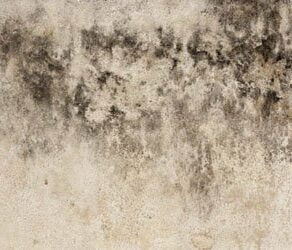






I tried to remove black mold build-up with bleach, vinegar, bi-carbonated soda, and store bought rinse aids, but I have a cold-only machine and it won’t work!
Do I need to replace the seal?
This is the first time in my life that I have had this problem. My mom, in Italy, never had this problem; that’s why I chose the front loader. In my 22 years of marriage, and three kids and a dog, I have done quite a bit of washing. Lately, I am grossed out from it. I have been trying some of these methods with no result. Help, please?
This works. Thank you for posting.
Please would you be kind enough to repeat what worked – we have missed that response.
I have tried the bleach method. Why, when I open my machine and it has water in it, does it get all over the floor?
I have tried everything and I am ready to get rid of this washer. My friend has a WhirlPool Front Load and never has had this problem. The rubber seal on mine is full of black mold and it stinks; can not get it cleaned. I can see the water gets way down past the seal and it gets musty. It is very hard to pull the rubber back and dry it out.
Hi Susan. Is your machine a Bosch?
Mine is a Bosch Rod – does this make any difference or do you have another suggestion?
I have a Bosch and have a mold problem. I have just searched, looking for an answer, so I will try your suggestions, but is there more of a problem with Bosch washing machines?
Mine is the Ariston machine. Same problem. One would think they would use a different compound for the seal since this appears to be a common problem.
The first front loader my parents bought for their home was an Electramatic (made in Italy). It ran fine and mold free for over 30 years (with proper maintenance, of course).
Another front runner: Asko (made in Sweden) – did 5 to 7 loads each week for over 14 years; never had a problem. Tried top loaders too, and gave them up quickly (we like our laundry items to be washed clean, not just soaked in perfumed detergent so that they “smell fresh”).
Enter LG – about 1 year old and beginning to smell, under the same operating and maintenance routines. When I empty the drain pump to clean the filter, the amount of water coming out of the LG is 3-4 times more than what I used to see on any washer before. That cannot be good. The door seal material (rubber) is more porous and has more grooves and plies, which makes it far more likely to trap moisture and provide a growth bed for mold and bacteria. My point: the quality of the design and materials used to make the washers are very important. On the inside, simpler and smoother is better.
I have a Bosch front loader. I researched before I bought it and saw reviews in front loads about molding on the gasket. I went to our friend’s appliance store and asked about that and feel I was lied to to my face. How do we get rid of this? I feel like doing a service call to have them billed. Guessing we just need to change the seals if this doesn’t work.
I also have a Bosch…
Never again… This machine is terrible… and it doesn’t have a clean-washer cycle.
My previous machine never had a mold problem.
This Bosch does.
I spent last night and this morning spraying, cleaning, running the machine on a hot cycle with plenty of Clorox bleach.
I do think that some machines have better mold resistant materials… drain better… etc.
Right now, we are looking at the LG Steam Washer.
It has a 15/20 minute quick cycle that is supposed to work, fast.
It has a clean drum cycle.
And it hopefully will not be prone to mold.
I have the LG Steam washer and have the same black mold in the gasket.
Did rounds of empty washing with bleach; didn’t help. Used vinegar. It didn’t help either. It’s very difficult to pull back the inner gasket, but I could see black sludge oozing out of the grooves. I’m so grossed out. I’ve been washing everything by hand.
I have a LG steam front loader and am a compulsive laundry doer! Our repair person looking at another appliance gave me a tip about about our machine. He said in addition to using the tub to clean appropriately, you can put the speed wash cycle on, let it fill for 2 minutes, push pause cycle, add 1 cup of vinegar, close the door, and let it finish the cycle. Helps get rid of a smell that comes out of the discharge hose when you start a wash cycle. Also, using too much soap causes that stinky smell. Front loader use lap very efficiently. I use under the normal and max lines. I am a laundry perfectionist; less soap works. I do use regular unscented and dye free All. I had tried plant-based soaps in my previous front loader and nothing was really clean … clothes began to stink … washer began to stink. Had to ditch it for use in the machine and I do not use fabric softener. I just use the brand Honest dryer sheets when necessary. I got a bit lazy and for several weeks did not wipe the seal carefully enough and mildew/mold on the rubber seal. I am going to try the bleach recipe and procedure; will report back.
I have read through all the comments about the ‘black mold’ on rubber door seals. I had an Indeset and never had it, my daughter had another make and never had it; within the past four years, we have both purchased new machines, both different makes, and we have both got this ‘black mold’ problem. I am thinking it is something in our washing powder or softener??? Theses days we don’t know what goes into washing powder; scientists in some lab somewhere have put something in it that creates mold, but makes our clothes look cleaner when they come out. I don’t know, but it seems like it doesn’t matter what brand of machine; we all get mold. Any boffins out there that could shed some light on it???
I previously had a GE front loader and per advice on forums, draped a towel over the door to keep it propped open between washings. After about four years, the GE had to be replaced (my previous top-loading Whirlpool lasted 22 years).
We replaced the GE with a Samsung and despite all the same precautions, same detergent, etc., now have thick, foul black mold on the rubber seal. I’ll try this, but I doubt I’ll ever buy a Samsung washer again.
I soaked some lengths of toilet tissue with bleach and tucked it around the door seal and left it for 24 hours. I removed the tissue and filled the liquid soap tray with bleach and put three dishwasher tablets in the powder tray and put it on the hottest wash cycle. Not a perfect result, but a lot better than it was before.
Hi all,
Yeah I have the same problem; tried almost everything. Trying the bleach test today; hope it works. My make is a UITLA wash and dryer, I don’t use the dryer as I have separate one, but still have the same problem as everyone else. It must be what they put in the washing powders. I will post a comment once I have tried this test.
Thank you.
Did an empty hot cycle with bleach, a lot of cleaner just for some stubborn mold patches, but smells a lot better. I have only recently started having this problem, and have never had this problem with previous machines, but I have also recently changed from using powder detergents to liquid…I’m going back to powder!!!!
I have the same black mold problem with my Fisher and Pykel front loader. I have just been tackling it this week. Despite drying out the rubber seal and leaving the door open after every use, I still have mold. Sometimes our clothes would come out of the washing machine with bits of grime on them and our machine was smelling moldy. I don’t like using harsh chemicals as I have a toddler, so I have been tackling it with vinegar, tea tree oil and bicarb. Had to give the rubber seal a good scrub and get right in next to the drum. It’s not perfect and I think the mold marks will remain (just hoping I’ve killed the mold), but it’s a lot cleaner, smells better and hoping our clothes will be cleaner!
Hi, I’ve done my bit of research and it doesn’t matter what make you have as long as you look after it. Washing gels aren’t ideal; they’re more likely to cause mold. Also, don’t try to be economic by always washing at 30 degrees C, that’s what’s ruining your washing machine. I do washes at 40 and 60 degrees, you need at least a 60 degree wash to kill most of the bacteria, if you want to kill all the bacteria, use a 90 degree wash every now and then.
P.S. If there’s a few black spots, you’ll be able to clean it, but if it’s spread and the seal is turning black, you can either replace the seal (can get quite expensive) or get a new washing machine.
Hope this helps.
I have a Bosch front loader…already replaced the seal due to mold…it is worse than ever. I will NEVER buy another Bosch product. I was told to use All detergent as it is not petroleum-based, as opposed to Tide, which is petroleum-based. Regardless, the mold is so invasive!! I have tried everything to no avail…any help would be so appreciated.
We have the earliest model of the Maytag Neptune front-loader. Black mold on gasket. Bleach and lots of scrubbing works for me, but it always returns. I use liquid detergent.
I have this model too and recently noticed the mold. Maybe I need to go back to the powder detergent and stop using the pods. I stuffed rags soaked with Clorox all around the gasket and left it for two days. It is better, but still there. This is after I tried running two cycles with Simple Green and scrubbing the gasket with Clorox and a brush. I am now leaving the door open and hoping it helps.
I have only noticed the mold and have had my Bosch for over 9 years. I saw on Dr. OZ that most front loaders have it. I am going to try the steam cleaner and if it works, I will do it every month.
So far I’m not having any luck with the bleach. I will try running a cycle with bleach tomorrow. Thanks!
I also have a Bosch washing machine. Have tried so many times to remove the mold from the seal, but to no avail. At this stage, I’m thinking of buying a new one.
Had a Miele for years – could leave wet wash in it for days and never had a problem. The GE that came with my condo began to stink after a month. I am ready to scrap it and suffer the considerable outlay required to have a Miele again. Cleaning it now, but not hopeful.
I have a Bosch (front loader) with a mold problem as well; it seems to have started after about five years. I will try the bleach method this weekend. Thanks so much for the posting!
I bought my Frigadair HE front loading washer about 5-6 years ago, and didn’t notice the mold for a few years. Then, my husband started complaining that the towels smelling when we used them, when they got wet.
He blamed me for not taking them out of the washer and getting musty.
But, even after standing by the washer and placing them in the dryer ASAP, I could smell the moldy smell. I use only AMWAY soap/products.
I saw some mold and tried to wipe it off. But when I pulled the lip back, WOW!! Gross! There was slimy mold that had to have been there for quite a while. Even if I wipe it off, the rubber is stained black. I can’t keep up with cleaning it. I leave the washer door open when not in use, hoping it would dry out. I have tried to clean with bleach, but cant get into the creases well. So there is always some mold. I asked my repair man if using bleach was ok. He said, “Yes,” so we put bleach in the washer.
But, my feeling after reading so many posts here and elsewhere is that it is the rubber. I believe the material used is the real culprit. Why do some have it and others not so bad and still others really bad. There are may soaps out there, but it seems that any brand used still has this problem.
Think about it, there is a lot of rubber products in our lives. Think seals on the refrig, car doors and windows. No mold there…I thing the industry has chosen an inferior material. Some of the washer brands mentioned without the mold are generally Euorpean brands. Found in USA, but more expensive.
But they may have found the correct material to use. They had front loaders way before it was cool to do here in the US.
Don’t know which is more cost effective, replace or buy the better machine. I will clean again today, washing towels again. Then, run vinegar and baking soda through the machine.
Hate to think that the wash board or beating over rocks is the solution..
I also have a Frigidaire front loader that’s less than 2 years old. Bad slimy black mold is on the seals. I always leave it open. I will try bleach, but am disgusted with the rubber material.
I also have a Frigidaire and did the Clorox, Tilex, hydrogen peroxide and bought the chemical from Home Depot to no avail. I also changed the seal and still the same thing. Totally disgusted. A top loader from now on.
Hiii, I agree with you so so much! It’s insanely expensive to change the bellow and what’s the guarantee it won’t happen again. I have an OCD about cleaning and maintaining so it’s not me; it’s the machine and basically the rubber used as you’ve pointed out. I’m tempted to get a new machine but God knows how much that’ll cost and how to get it done in our laundry. Our house is a new build, only three years old, and we are the only owners so this makes me so mad! I have a Frigidaire front load – I hate it! We’re you able to find any solution? Thankyou 🙂
Bosch is terrible for mold on the seal. I have had seal replaced and it is impossible to keep mould free! Never ever again will I buy a Bosch. The company ignores to problem, but it is clearly a design fault.
I have same issue with my Bosch…in fact, I just pulled the seal apart and it’s even worse than I thought. I had a Hoover for many years and never had a problem with mould. The Bosch started getting mould from less than 12 months. It also sounds like an airplane landing in my laundry when it spins, and has no indication of where in the cycle the wash is up to. Ridiculous! I will NEVER buy a Bosch product again as long as I live. I paid top $$ for this machine and it’s complete & utter rubbish!
I have owned several several front washing machines. All have had the same issues. It is not only the rubber seal, but also the laundry detergent tray.
We do leave the washing door open and the laundry tray is always pulled out, but it still has led to the problem. We are a working couple with a busy life; it is not always possible to wipe away the water that has collected on the rubber seal or remove the detergent tray to wipe it dry.
On my LG (which is about two years old), the clothes come out smelling of mold. I found ‘gunk’ between the rubber and the drum. It was disgusting.
The use of ‘rubber’ around the home should be reviewed. Rubber is used around the seals on my dishwasher, but it may be the mold is there, but we can’t see it because it is black. Or it may be the ‘drying’ gets rid of water, so it’s not an issue.
But on my razor handle, the rubber area, is full of mold.
I changed my shower head, but the new heads have rubber in the shower holes. Now the rubber is turning black. So how can you shower like this?
They use it on windows seals, but may be the mold is there, but you can’t see it because the seal is black.
I think rubber should be banned from the home. On my razor handle, they use rubber; it now has mold. Modern shower heads use rubber in the holes. I wanted to buy a new blender; I noticed with glass blenders, they tend to have rubber. I suspect in many places, the rubber is often black.
I also have the mould problem on the rubber seal. Just like all of you, I have tried everything to keep it from happening to no avail. I had the smell in the machine despite leaving the door open – couldn’t get rid of it no matter what I did. I have recently stopped using fabric softner and use vinegar in the final rinse – no smell. Haven’t had a chance to tackle the mold, but at least the smell isn’t there.
Have a Siemens integrated washer/dryer; can’t believe the mould on the door rubber. I have had Hoover, Hotpoint, and Artist machines and never had this problem; even the soap drawer gets it. I thought at first I’d washed some football kit and it was mud. Absolutely disgusted.
On another board, I just heard about people having success with hydrogen peroxide. I will try that.
Hi. I have a brand new Hotpoint and it is also having mould around the rubber. I have used mould killer, which has removed it, but it has come back so I thought I was doing something wrong, but after reading your comments, I see it’s a common fault and needs looking at from the manufacturer.
I used neat bleach on a sponge; just keep rubbing around the rubber seal. I left it for a while, then put it on a 95 wash and let it run with no washing in just to get rid of the bleach. Hope it helps; it did for me.
On the washing machine door, the seal on the glass has brown mould between seal and glass, impossible to get to it. How can I remove it?
the Bosch machine is terrible; my laundry smells…never again will I purchase a front loading machine…this Bosch costs lots of money…not worth the cost and the smell.
Hello Everyone. I was researching on ways to remove molds from rubber (on the cover of my glass blender) and came across your problems. I was just in LA visiting relatives and noticed the molds on their machine as well. I checked mine and it is very clean. I’ve had my machine for about 5 years now. It’s a Samsung 2-in-1. For sheets, towels and white clothes, I use powder; for dark colors, I use liquid. I also use liquid fabric softener. For sheets, towels and white I wash at 60 degrees. I suspect it’s the climate, environment. I live in Manila, hot and humid mostly. I’m sorry to hear about all your predicaments, but if you have that problem there and I don’t (I had a Whirlpool before this), then, there is no other culprit.
Good ideas.
Tried the dishwashing soap along with the low-suds laundry soap and filled both the bleach and conditioner with white vinegar. Ran 3 loads on the heavy soil and longest cycle.
It seems to have lightened the mold somewhat and the odor is no longer there…
I bought a Hoover washer in March this year…I have recently noticed a smell on clothes after washing, and then saw black marks all along the bottom of the three door seals…have tried Dr. Beckmann Service It, but the marks are still there. I am an OAP & so have done a lot of washing, but I have never had this problem before. I am really fed up with the whole thing.
It is eventually coming off with a strong (50/50) bleach solution… just keep spraying it.
Did my machine with a half cup of bleach and a half cup of vinegar. Ran on 90• for half an hour, then ran the rinse. It’s now looking brand new and smells clean. Thanks everyone.
Never mix bleach and vinegar. Toxic.
Did as Alex suggested (above comment) in my Bosch – yes, another one of the pongy front loaders. Smells better. Now I’m going to clean around the rubber, then give it a further ‘Alex’ method with bleach, vinegar & hottest wash. We’ll see/smell the results.
Hi. Just read these comments. I have a similar problem so I am hot washing with bicarb, then I will try vinegar and a rag direct on the seal, hot wash again, and finally if that doesn’t work, bleach.
Please, please DO NOT mix vinegar and bleach. Yes, it will make the bleach more effective (particularly if it is old bleach), but it releases chlorine gas and may harm you seriously. If you have a breathing apparatus handy, then fine, but otherwise please don’t risk it!
Oh, and if you use bleach, try a new-ish pack (chlorine bleach has a shelf life).
Interesting, I’m having a similar problem with a shower head – where the nozzles are rubber. I started with bleach, but it’s not touching it… Cheap to replace, but seems a waste!
I tried it with bleach, but it burnt a hole in my rubber glove!
Wipe the rubber and remove the detergent drawer every after wash. Replace it after it dries. You can also leave the door open for hours or even overnight every time you wash to prevent the mould and bad smell. If the rubber is already blackened by mould, it will stay clean by doing this.
Instead of bleach, put in about 4 oz. of vinegar.
It works!
Reading all comments about the rubber seals around washing machines doors. I do have this problem with mould around the shower split doors. I have tried nearly everything, but nothing works. Would your method of cleaning the washing be any good on the rubber seals on my shower unit? Many thanks. John.
I have a Maytag with the same problem, front loader.
I always wipe after the load, leave the door open and take out the tray, which always has water in it, and leave it to dry.
I tried wiping, but the seal (rubber) has black molds.
Will try vinegar and hot water.
Am so relieved to read all of these comments as I thought it was just me having this problem! Used to have a Hoover front loader and never had a mould problem on the seal in the 13 years we owned it. We’ve had our Siemens integrated front loader 4 years and have had this problem for 2 or 3 years. The black mould plus the dirty grey sludge, which builds up within the seal, is awful. Am trying the bleach/hot wash solution suggested on here which will hopefully help a bit and am also going to try going back to using washing powder rather than liquid/gel.