
A  dirty pet dish can attract bacteria, bugs and mold. It’s not likely your dog, cat, hamster, or guinea pig for that matter, will quit eating if you don’t clean his dishes, but it’s better for his health and for your peace of mind that you do so.
Gravity-Fed Food and Water Dishes
If you use a gravity-fed food or water dish for your pet, you should be able to detach the dish from the bottle or canister and follow the directions below. You may also want to empty and clean the storage container every two weeks or so. You may need to invest in a bottle brush to scrub the interior of a gravity-fed water bowl if the opening is not large enough to accommodate your hand.
If your pet uses a water bottle, simply clean it as below every time you refill it. You may wish to purchase a special brush to scrub it out thoroughly. These are available at most pet supply stores.
Using the Dishwasher
For most pet dishes, unless yours is especially delicate (perhaps hand painted by Great Aunt Mildred), you can simply put them in the dishwasher. Just remember, if the bowl is plastic, to place it on the top rack so that it doesn’t melt. Run the dishes through the entire cycle as normal. You can run them in the same load as the rest of your dishes; no need to wash them separately.
Washing by Hand
If you’d prefer to wash your pet’s dishes by hand, just bring them to the kitchen sink, grab a clean sponge and get to scrubbing. Run warm or hot water as you wash the bowls (though not so hot that you risk burning yourself!) and add a squirt or two of nontoxic dish soap made for hand-washing. If your pet bowl is made of glass, make sure it is warm (at least room temperature) before you run hot water in it or you could risk breakage.
Washing the food dish
The pet food should come off of the dish fairly easily. If it doesn’t, you can always use a steel wool pad for light scrubbing. Just be careful, especially if the dish is ceramic, stainless steel or glass. If you scrub too hard, you risk scratching the surface of the bowl.
Once you’ve scrubbed the bowl clean, rinse it with cold water and dry it with a dish towel or paper towel.
Washing the water dish
You can wash the water dish the same way that you wash the food dish. The important thing to remember here is to rinse very well. Although dish soap is not particularly toxic, if the bowl’s not thoroughly rinsed out the water will at least taste funny to your pet. Worst case scenario, it is possible it could make him sick.
If you have a sprayer nozzle on your sink, this can aid you in rinsing the bowl well. You can also get out any remaining residue by wiping the bowl thoroughly with the dish towel or paper towel while you dry it.
After the cleaning
Once your pet’s bowls are clean and dry, you can either replace them on the floor or in the cage or store them on the counter or in the cabinet until the next time they’re needed. Just remember to have water available to your pet at all times. If you’re not going to refill this water dish yet, be sure another one is available. You don’t want Rover to head to the toilet as his next option.
Some people clean their pet’s bowls every day, but a couple times a week should be enough, as long as you give the food bowl a quick rinse after each meal and wipe out the water bowl with a clean paper towel prior to each time you refill it.
Preventing Unwanted Visitors
As long as you keep your pet’s bowls rinsed after every use, you shouldn’t have a problem with insects congregating around your pet’s feeding area. Also, clean up any water or food spills on the floor with a mop or broom as soon as you notice them.
If you are having a problem with pests getting into the food, particularly if it is outdoors, you can wipe a line of cooking oil around the bottom rim of the bowl. Most small bugs like ants will be unable to cross the line of oil. Just be sure to use an oil that is safe for your specific pet should they decide to lick it on accident or on purpose. Olive oil is safe for most dogs and cats. Coconut oil is also a great choice as it is safe for most dogs and cats and it naturally repels some insects, however, some pets find it very attractive and will lick it off, therefore removing the insect barrier.
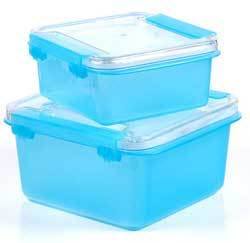
Also remember to store your pet’s food in a sealed container with a lid. Not only will this prevent insects or rodents from getting inside the food, it can help to keep the pet food tasting fresh.
Limescale
Mineral deposits, or limescale, that may develop around the rim of the water bowl from hard water can be removed by soaking the bowl in white vinegar, then using a scrub brush to scrub it off.




Do your cat a favor. Do not use plastic dishes for food or water. I had two Siamese brothers. One had obvious acne on his little chin, even as a kitten. The others wasn’t quite so obvious, but it was there. Their Vet told me to keep them away from plastic food bowls where oils gather from their chins and from any food that got on the bowls’ rims.
I used, and still use, ceramic bowls for water and for food. You can use stoneware or glass, too, anything but plastic. My two Siameses always had their acne, but it never spread. Not one bit. I attribute this to using plastic bowls. I got the best bowls at the Dollar Store, not a Pet Food Store! Shop around or use something in your dish collection. Your kitties will be happy. Mine were never treated for acne and they lived to ages close to 15 and 19 years.
I was concerned about the soap that I was using to hand wash my cats’ bowls. I use stainless steel bowls for their water. I found a soap called 7th Generation. It’s non-toxic and biodegradable. I got it at my local grocery store and it’s very inexpensive.
Next time you wash your gravity feeder dispenser jug, toss in a handful of dry raw rice add a few drops of dish detergent and water. Then, simply put your hand over the opening and shake it all over (can get the kids to do the shaking… sounds like a wet maraca :D). This scrubs the inside easily and helps kids feel more responsible.
Bleach will poison your cat!!!!! NEVER, EVER use bleach!
Try using some baking soda… Make a paste out of it with a bit of water and smear it on the plate. Let it sit for a bit or you can try putting it into a pan of boiling water. Whatever you do, DO NOT use anything with chemicals.
Suggest you use something other than white dishes…LOL!
If it is hard water stains, just fill the bowl with vinegar and let it soak for a while. The rough areas should simply dissolve. If not, rubbing them with a cloth as it soaks should take them off easily.
I hand wash my dishes and the pets’ dishes together. Wash in hot water with d.w. liquid; rinse in hot water; then sanitize, (just like they do in the restaurants, for you bleach-a-phobes) by putting all dishes in a pan full of cool water with 1 tsp. Clorox added. Chlorine’s disinfecting powers are reduced if you use hot water in the sanitize solution. After a soak of about seven minutes, I remove all dishes, mine and pets, and put them on a rack to dry. Rinsing is not necessary and could actually recontaminate the dishes from pathogens in the water. Put the dishes away after they have air dried. Chlorine (in Clorox) evaporates in the air and once the dishes have dried, there is no trace of bleach on the dishes. This is the exact process used on the dish, glass and fork you used during your last restaurant meal and I presume you survived. Use bleach as recommended by all health departments and you don’t have to worry about “poisoning” your cat, dog or you.
Is it wise to wash my pet cat’s bowl with a different dish sponge that I use to wash my own plates, etc.?
This is how I clean my cat’s ceramic water bowl. First, I pour distilled vinegar in the bowl, all the way to the top. I let it soak for about 10-15 minutes, then I take a wet wash rag and wipe all of the dissolved gunk out of it. Next, I wash the bowl with hot water and regular dish soap. Finally, I rinse thoroughly, put fresh water in it, and give her water bowl back to her. The vinegar does a great job at removing hard water stains, and as long as you make sure you rinse the bowl very well when you’re done, it probably drastically improves the taste of the water with all of the hard water gunk gone.
I have a huge, plastic, 360-degree water fountain (I can’t remember the brand) because cats always need to be enticed to drink more water.
Using Clorox to clean dishes is fine, except I’d be careful when bleaching plastic dishes, especially water bowls. The bleach could sink into the plastic while soaking and would be hard to rinse off. If you’re not careful, the bleach would leech into your pet’s water. Like Mary said above, it’s okay to use on any dish if you let it dry out in the sun, but I wouldn’t take the chance with a dish/bowl that holds water.
When possible, feed your pet in areas other than the kitchen.
Avoid washing your pet’s food and water dishes in the kitchen sink or bathtub in order to prevent cross-contamination.
If there is no alternative, clean and disinfect the sink after washing pet food items.
Infants should not be bathed in kitchen sinks because of the risk of cross-contamination.
Source: US Center for Disease Control
[POOR ADVICE SAYS:
FEBRUARY 17, 2013 AT 7:46 AM
When possible, feed your pet in areas other than the kitchen.
Avoid washing your pet’s food and water dishes in the kitchen sink or bathtub in order to prevent cross-contamination.
If there is no alternative, clean and disinfect the sink after washing pet food items.
Infants should not be bathed in kitchen sinks because of the risk of cross-contamination.]
Here’s something you should know; I have one Staffordshire pitbull puppy and she eats her food and drinks her water, which I set inside by the back door that leads to my backyard. I wash both her dishes in the sink and I also put them in the dish washer, just the same as I wash my own dishes and then run my dishes through the dish washer. My puppy drinks filtered spring water, just like I do and she’s like my child. I’m a 20-year-old college student who works 40 hours a week and I take care of my dog just like you would take care of yourself. My dog is vaccinated and she’s well trained, 8-months-old, and comes from a true AKC bloodline since her mom was a full blooded Staffordshire. I sanitize my sink and kitchen, clean my entire house, bathe my dog once a week and if I don’t get to it, then it’s once every two weeks tops.
In response to what you had wrote about cross-contamination, having your animals eat in the kitchen and washing your pet’s bowls in the sink or dishwasher; CROSS CONTAMINATION, FOOL REALLY??? PEOPLE SHOULD KEEP THEIR SINKS AND DISHWASHERS AND THEIR HOUSES CLEAN ANYWAY.
BTW, cats are nasty; those are the people I’d be worried about with cross-contamination. Cats climbing all over counters and tables where you eat and your pillows and shedding hair everywhere 24/7.
I love my Staffordshire pitbull mix.
She’s the sweetest little thing in the world. She just learned to bark recently, which is a good thing because it lets me know if someone’s creeping around my house. At six-months-old, she already knew how to sit, lay down, shake, bring me her leash when it’s time for a walk and whine by the door if she has to go potty. She never really barked at all until recently I taught her to speak LOL. The only thing she would do that I didn’t like is chew on the carpet on the bottom of my stairs, but she doesn’t do that anymore. Never even had to physically discipline her either, which was nice, because she’s too adorable to spank her li’l’ butt LOL. If anyone wants a smart, easy-to-train dog, definitely look to find a Staffordshire and make sure you get the papers on the dog like I did – there are a lot of scammer breeders who try to pass pitbulls off by saying that they have Staffordshire puppies for sale when they really only have pitbull puppies, but will lie to you and charge you thousands of dollars too much, all for a similar-looking puppy.
I love pitbulls, but they are hardheaded when it comes to training them. Staffordshires are quick learners though and the sweetest companions. Always make sure you get the runt of the litter too. I got the smallest little runt and my little Daisy is honestly the best dog I’ve ever owned; I’ve had gold kennel black labs, a rotweiller, a miniature doxon (second best dog ever) and another gold kennel blockhead black lab (he also ties for first).
Austin says:
So glad to hear that you are so happy with your dog. All good advice should be ignored by everyone everywhere because you love your dog so much.
Can I wash my pet dishes with my dishes?
Austin. Cats are not nasty. Mine are housecats so they do not harm other animals or people. They are just as loving as dogs, but not as needy, thank God. And cats never savaged anyone to death, so stick that in ya bloody pipe and smoke it.
I purchased a cat bowl with a rubber ring to keep the food bowl in place and the rubber smells horrid. I purchased another at a store long ago with no problems. I now have another cat so I want him to not have to fight with his bowl. Since cats have an extremely sensitive sense of smell, I’m not going to feed him with this bowl. I called Chewy.com and they replaced it with three more smelly bowls. I requested that they remove the bowl from the plastic bag &
make sure it didn’t smell before mailing it to me. Instead of doing that they sent three smelly bowls instead of one without a smell. I’m now realizing I need to figure out how to remove the smell myself. I would appreciate any information you can provide me. Thank you very much.
Sandra,
If it was packaged up, there’s a chance it just needs to air out. Many materials tend to do some off-gassing after production and wrapping them up in plastic just holds in the smell. However, there are a few tricks you can try to speed up the process, and since you have 3 bowls, you can even try multiple methods to see which one works best! First, wash the rubber thoroughly to clean it well. Next, use a deodorizer: white vinegar and baking soda are two natural deodorizers that work well.
To use baking soda, get a box or bag that is larger than the bowl. Sprinkle a generous layer of baking soda over the base of the box/bag, then set a cookie rack inside. Place the bowl on the cookie rack and close the box/bag. Let it sit for several hours or overnight; the baking soda will absorb the odor. The cookie rack isn’t really necessary if you don’t have one; you can just set the bowl directly on the baking soda. The same process can be used with activated charcoal if preferred, which is available at most major pet stores and is another excellent natural deodorizer. Fresh coffee grounds can be used as well, but they may temporarily leave a coffee odor in place of the bad odor.
To use white vinegar, place a bowl of the vinegar in a box or bag, then set the bowl in the box or bag as well and close it up for a couple hours or overnight. You can also wipe the rubber down with a mix of equal parts white vinegar and water.
Another option is to set a bowl outside to air out for a day or two.
Good luck!